GraduateSmart
GraduateSmart
Prevent, diagnose, and treat muscle and bone injuries for athletes. Evaluate musculoskeletal injuries and illnesses, and deliver care that is preventive, therapeutic, emergency, or rehabilitative.
$46,000
Lower reported wage
$60,250
Median
$84,100
Upper reported wage
Annual U.S. salaries. Actual pay varies by location, employer, and experience. The lower and upper figures do not represent starting and senior salaries.

Build a personalized Roadmap Plan with CLEP savings and school matches.
Create free account →Most states regulate athletic trainers; requirements vary and a kinesiology bachelor’s alone is not the professional credential. [1]
Search CareerOneStop by occupation and state, then confirm the rules with the issuing agency. Coverage is incomplete; an empty result does not mean no license is required.
About license data coverageExam is FREE with Modern States
Sign up free at modernstates.org, complete the course, and receive a voucher that covers the full $97 exam fee.
modernstates.orgCLEP Biology
3 credits · Biology & Science
$1,703
saved
CLEP Human Growth and Development
3 credits · Psychology & Education
$1,703
saved
CLEP Introduction to Educational Psychology
3 credits · Psychology & Education
$1,703
saved
CLEP Introduction to Psychology
3 credits · Psychology
$1,703
saved
U.S. career guide. Program, employer, and state requirements can differ.
Direct match. Median $60,250.
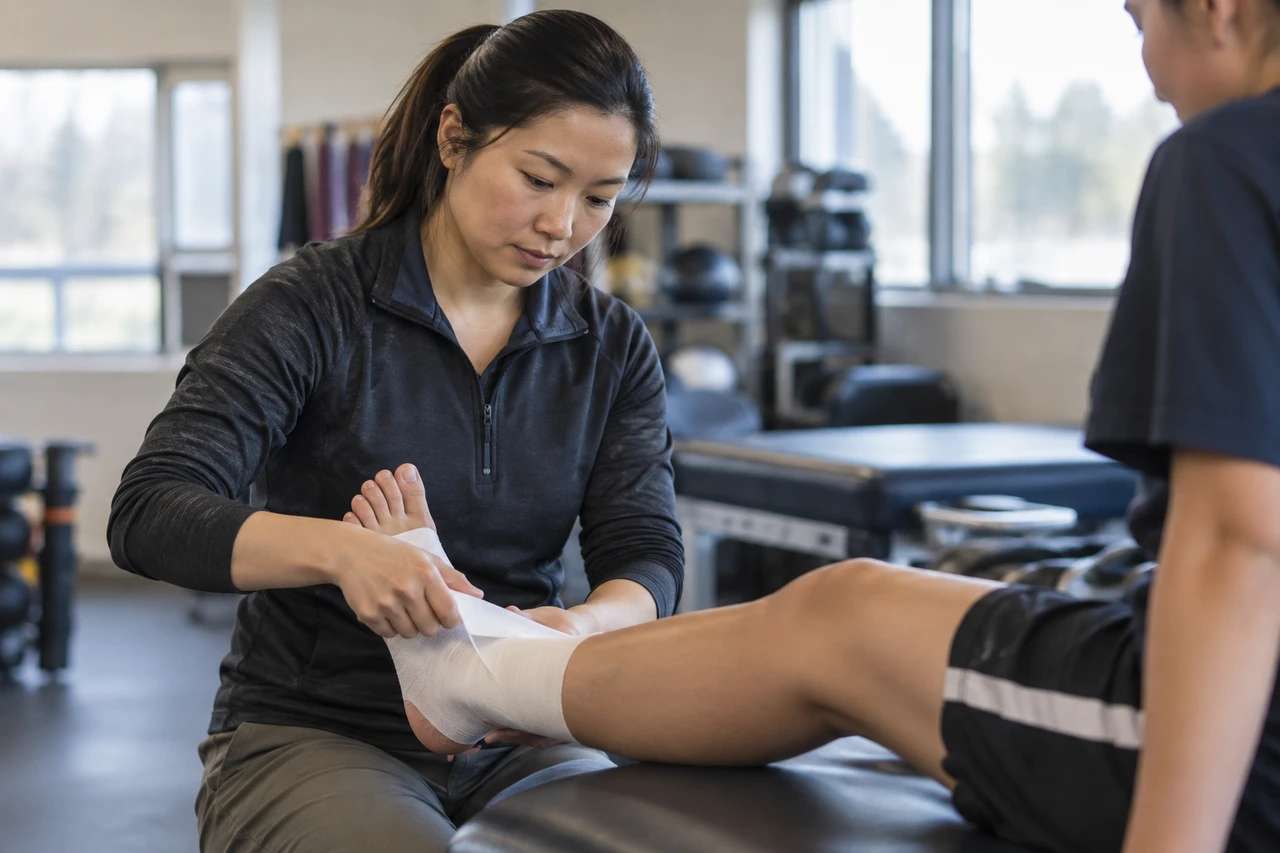
Illustration: AI-generated image · Illustrative scene
Ask whether any internship, field placement, or supervised training in your chosen route is paid; arrangements vary. [1]
Compare tuition after aid, required supplies and exams, travel, and any unpaid training time for the route you choose.
Planning questions: request a written estimate from each program or sponsor. A total cost has not been verified here.
A related major can be preparation; it does not by itself qualify you for the career.
A useful undergraduate science foundation before an accredited athletic-training master’s program. [1]
Prevent and assess injuries, provide immediate care, and plan rehabilitation with a healthcare team. [1]
Athletic trainers work in schools, colleges, sports organizations, hospitals, and clinics. [1]
Schedules can follow practices and games, with evenings, weekends, or travel. [1]
Emergency decisions, active movement, and close contact with injured people require stamina and composure. [1]
Experience can lead to team leadership, specialization, education, or management. [1]
These are possible directions. Promotion timing and pay depend on the role and employer.