GraduateSmart
GraduateSmart
Preside over court proceedings and make rulings on legal matters. Arbitrate, advise, and adjudicate in a court of law. May sentence defendants in criminal cases under government statutes or sentencing guidelines, and may determine liability in civil cases.
$90,000
Lower reported wage
$156,210
Median
$216,540
Upper reported wage
Annual U.S. salaries. Actual pay varies by location, employer, and experience. The lower and upper figures do not represent starting and senior salaries.

Build a personalized Roadmap Plan with CLEP savings and school matches.
Create free account →A pre-law major is not a law degree or judicial qualification; bar and court rules vary. [1]
Search CareerOneStop by occupation and state, then confirm the rules with the issuing agency. Coverage is incomplete; an empty result does not mean no license is required.
About license data coverageAsk whether any internship, field placement, or supervised training in your chosen route is paid; arrangements vary.
Exam is FREE with Modern States
Sign up free at modernstates.org, complete the course, and receive a voucher that covers the full $97 exam fee.
modernstates.orgCLEP Introductory Business Law
3 credits · Business & Law
$1,703
saved
CLEP American Government
3 credits · Political Science
$1,703
saved
CLEP Introduction to Sociology
3 credits · Sociology
$1,703
saved
CLEP History of the United States I
3 credits · History
$1,703
saved
U.S. career guide. Program, employer, and state requirements can differ.
BLS 'Judges, Magistrate Judges, and Magistrates' (23-1023). Median $156,210.
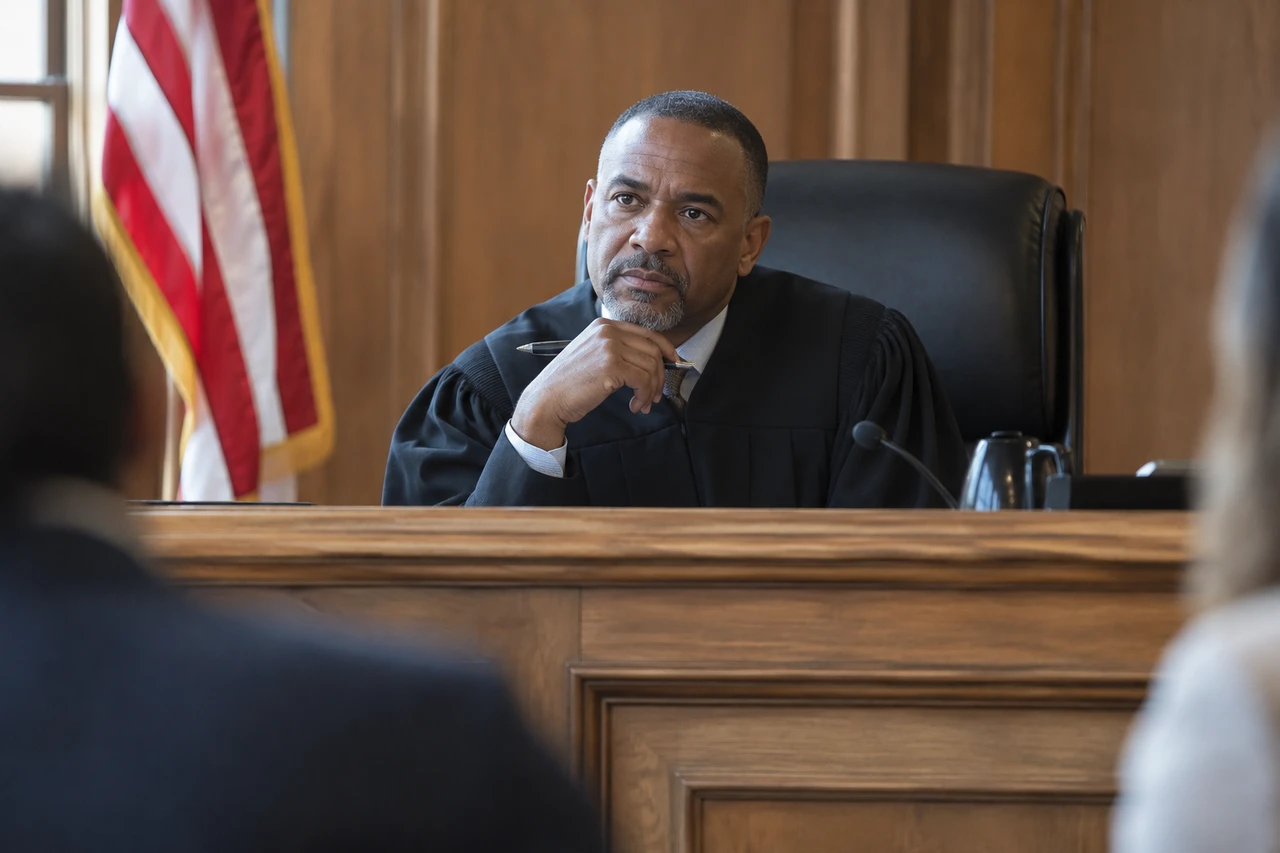
Illustration: AI-generated image · Illustrative scene
Compare tuition after aid, required supplies and exams, travel, and any unpaid training time for the route you choose.
Planning questions: request a written estimate from each program or sponsor. A total cost has not been verified here.
A related major can be preparation; it does not by itself qualify you for the career.
Preside over proceedings, apply law, assess evidence, and issue decisions. [1]
Judges work in courts and hearing offices at federal, state, and local levels. [1]
Usually full time; preparation and writing extend beyond hearings. [1]
Consequential rulings, complex records, and public scrutiny require impartiality and composure. [1]
Experience may lead to higher courts or specialized judicial assignments, subject to selection rules. [1]
These are possible directions. Promotion timing and pay depend on the role and employer.