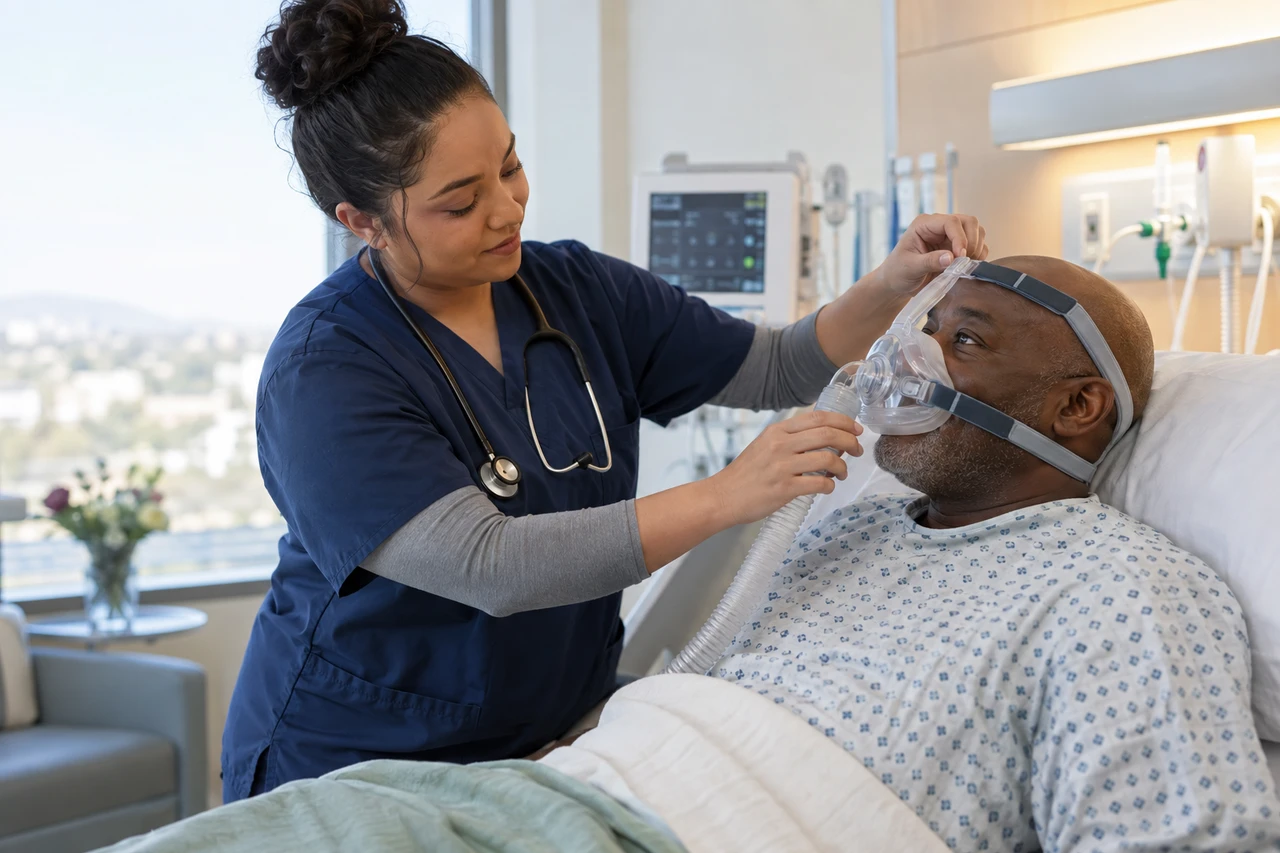
Evaluate, treat, and care for patients with breathing disorders including asthma, emphysema, and COVID-19. Work in hospitals, emergency rooms, and neonatal ICUs.
Pay
$61,900
Lower reported wage
$80,450
Median
$108,820
Upper reported wage
Annual U.S. salaries. Actual pay varies by location, employer, and experience. The lower and upper figures do not represent starting and senior salaries.
AI-generated image · Illustrative scene
Make this your goal
Build a personalized Roadmap Plan with CLEP savings and school matches.
Search CareerOneStop by occupation and state, then confirm the rules with the issuing agency. Coverage is incomplete; an empty result does not mean no license is required.
A direct preparation route; verify accreditation and your state’s exam and licensing eligibility.[1]
Daily life
What you would do
Assess breathing problems, perform tests, deliver respiratory treatments, monitor patients, and work with physicians and nurses.[1]
Where you could work
Most work in hospitals, including emergency, critical care, and neonatal units; some work in nursing facilities or physicians’ offices.[1]
Hours and flexibility
Most work full time. Hospitals may schedule nights, weekends, and holidays.[1]
Physical and emotional demands
Therapists may stand for long periods, lift or turn patients, and care for people with serious breathing distress; infection-control precautions matter.[1]
How you could advance
An RRT credential or bachelor’s degree may open additional roles, depending on employer requirements. Specialization and supervisory work require further experience.[1]
These are possible directions. Promotion timing and pay depend on the role and employer.
Questions to ask yourself and an employer
Would I be comfortable treating patients in emergency or critical-care settings?
Can I manage shift work and the physical demands of bedside care?